


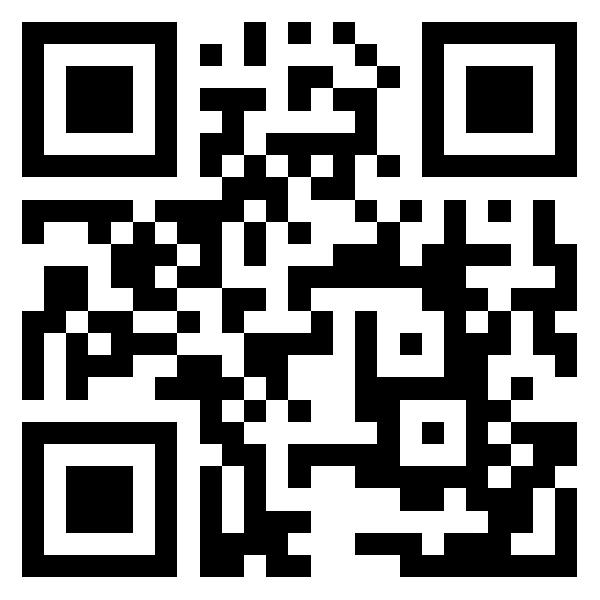
Why the UDI code?
The adoption of unique codes on medical devices enables faster and more efficient recall procedures, reduces errors in medical practice, and improves visibility over inventory and supply chain safety.
These codes, applied to each item during production, provide the supply chain management system with essential product information, such as the place and date of production, current location, and the path followed to reach it.
Download the UDI Regulation Handbook for healthcare professionals:
What is the UDI code?
The Unique Device Identification (UDI) system is a regulatory tool intended to uniquely identify medical devices during their distribution and use. It is a global initiative led by various regulatory agencies, including the United States Food and Drug Administration (FDA), with the goal of improving patient safety, increasing the effectiveness of device recalls, and facilitating better reporting of adverse events related to devices. A UDI is a unique alphanumeric code that is assigned to a medical device.
How is the UDI code composed?
Each medical device is identified by a UDI code, composed of a device identifier (UDI-DI) and a production identifier (UDI-PI), which may represent the serial number, lot number, manufacturing date, and expiration date. This code is readable both by machines (for example, through barcodes or QR codes) and by humans (numbers and letters).
What are the consequences of failing to manage UDI warehouse inventory?
Failure to comply with regulatory obligations (including those related to the UDI system) could fall under the general exclusions of the professional’s or facility’s insurance policy. Furthermore, failure to electronically register and store data related to medical devices could result in administrative penalties ranging from €4,000 to €24,500.
What should be done if the device does not have a UDI code?
If the device does not have a UDI code, electronic registration of the device is not required.
Operation
Do I need to purchase a barcode scanner?
The system allows manual entry of codes, but for actual use, a laser scanner is highly recommended.
Is a specific scanner required?
No, even an entry-level laser scanner works perfectly. The only essential requirement is that it reads 2D codes. Software scanners on smartphones and tablets can also be used.
Where can I purchase it?
At any electronics store or on Amazon. A very affordable and functional product is https://amzn.to/4ezQvBw
Do I need to register all products?
No, if the Medical Device packaging does NOT have a UDI code, then there is NO obligation for electronic registration and storage of data.
Regulations
When did the obligation to maintain the UDI warehouse register come into effect?
The Decree of the Ministry of Health of May 11, 2023 ‘Decree of May 11, 2023: identification, traceability and nomenclature of medical devices’ establishes the obligation for healthcare institutions and healthcare professionals to register and store the unique device identifier (UDI).
Since when has the obligation been in effect?
The obligation to register and store the UDI takes effect from January 15, 2024.
Are there penalties for failure to maintain the UDI register?
For healthcare professionals who do not register UDI codes, Legislative Decree 137/22 provides for administrative penalties ranging from €4,000 to €24,500.
Do I need to register all products?
No, if the Medical Device packaging does NOT have a UDI code, then there is NO obligation for electronic registration and storage of data.
Could I have insurance issues?
Failure to comply with the requirements set forth in Legislative Decree 11/05/2023, particularly those related to the traceability of medical devices through the UDI system, may result in:
- The application of administrative and financial penalties
- The risk of non-operation of professional liability insurance coverage, as:
- policies exclude claims arising from failure to comply with regulatory obligations
- insurance companies could refuse to settle damages
- the right to compensation could be compromised even for damages not directly connected
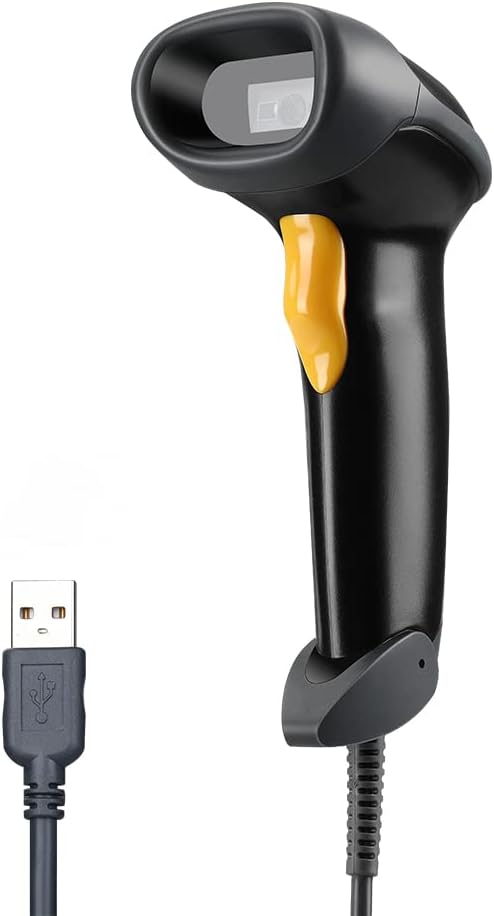
Why the scanner?
The UDI QR code is often too small and too complex to be identified via a smartphone camera; a laser reader, however, allows for quick and precise code reading.
(we tried it, of course—it was the first thing we tested, but NO, it does not work.)
UDI codes are represented with a specific QR code, the GS1 DataMatrix, which is readable with a 2D barcode scanner.
Although MedStock allows manual entry of codes, the use of a laser scanner is recommended. Having tested it, we can recommend one of the most affordable available online for under €30: “Eyoyo 2D barcode scanner”
